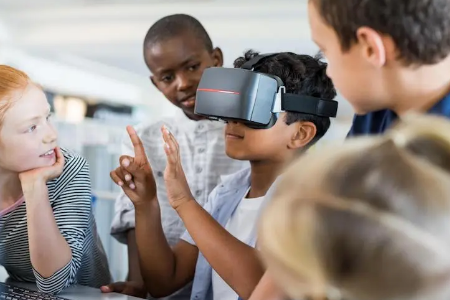
Digital classrooms are reshaping the educational landscape through the integration of advanced technologies. AI facilitates personalized tutoring, adapting to each student’s learning style. Virtual reality offers immersive experiences, simplifying complex subjects. Collaborative platforms enhance group dynamics, promoting essential skills like critical thinking. These trends not only redefine learning but also equip students for the demands of modern careers. Understanding their impact raises questions about the future of education and the evolving role of technology in it.
The Role of AI in Digital Classrooms
How can artificial intelligence reshape the landscape of digital classrooms?
AI tutoring offers tailored educational experiences, adapting to individual learning styles and paces. This personalized learning approach empowers students, fostering independence and creativity.
By analyzing data and feedback, AI systems can identify knowledge gaps and recommend resources, ultimately enhancing engagement and comprehension.
Such innovations herald a new era of freedom in education, promoting self-directed learning.
How VR Enhances Digital Classrooms
Virtual reality (VR) is emerging as a transformative force in digital classrooms, complementing the personalized learning experiences offered by artificial intelligence.
By creating immersive experiences, VR facilitates virtual simulations that engage students more deeply than traditional methods.
This technology allows learners to explore complex concepts and environments, fostering a sense of freedom and exploration, ultimately enhancing educational outcomes and promoting innovative thinking.
Collaborative Platforms for Group Learning
Collaborative platforms are revolutionizing group learning by fostering dynamic interaction and engagement among students.
These digital tools enhance group projects by enabling seamless communication and resource sharing. Online discussions facilitate diverse perspectives, encouraging critical thinking and creativity.
Ultimately, these platforms empower students to take ownership of their learning experience, promoting independence and collaboration, essential skills for navigating the complexities of modern education.
Read Also: Data Security in Modern Technology
How Technology Prepares Students for Future Careers
As technology continues to evolve, it plays an increasingly vital role in preparing students for future careers by equipping them with essential skills and competencies.
Digital tools facilitate skill development, enhancing career readiness through interactive learning experiences.
Students gain proficiency in critical thinking, collaboration, and adaptability, ensuring they are well-prepared to navigate the complexities of the modern workforce and embrace diverse career opportunities.
Conclusion
In the evolving landscape of education, digital classrooms serve as a fertile garden where technology trends like AI, VR, and collaborative platforms nurture the growth of knowledge and skills. These innovations not only cultivate personalized learning experiences but also prepare students to thrive in an ever-changing world. As educators embrace these tools, they transform the classroom into a dynamic ecosystem, fostering adaptability and critical thinking, ultimately ensuring that students blossom into capable, future-ready individuals.