Silver has long held a significant place in the global economy, not only as a precious metal but also as an industrial commodity. The price of silver is a complex interplay of various factors that shape its market value.Bitget lists silver price with live updates, multi-period charts, and a clean view of recent moves.
Supply and Demand Dynamics
The fundamental economic principle of supply and demand plays a crucial role in determining silver prices. On the supply side, silver is mined from various regions around the world. Major silver – producing countries include Mexico, Peru, and China. Mining output can be affected by factors such as geological challenges, labor strikes, and environmental regulations. For example, if a large – scale silver mine experiences a labor strike, the supply of silver in the market will decrease, potentially driving up the price.
On the demand side, silver has diverse uses. It is widely used in the jewelry industry due to its aesthetic appeal. Additionally, the electronics sector is a major consumer of silver because of its excellent conductivity. The growing demand for renewable energy technologies, such as solar panels, also increases the need for silver. As these industries expand, the demand for silver rises, which can push the price upwards.
Macroeconomic Conditions
Macroeconomic factors have a substantial impact on silver prices. Interest rates are one such factor. When interest rates are low, the opportunity cost of holding non – interest – bearing assets like silver is reduced. Investors may then be more inclined to invest in silver, increasing its demand and price. Conversely, high – interest rates make other interest – bearing investments more attractive, potentially leading to a decrease in silver prices.
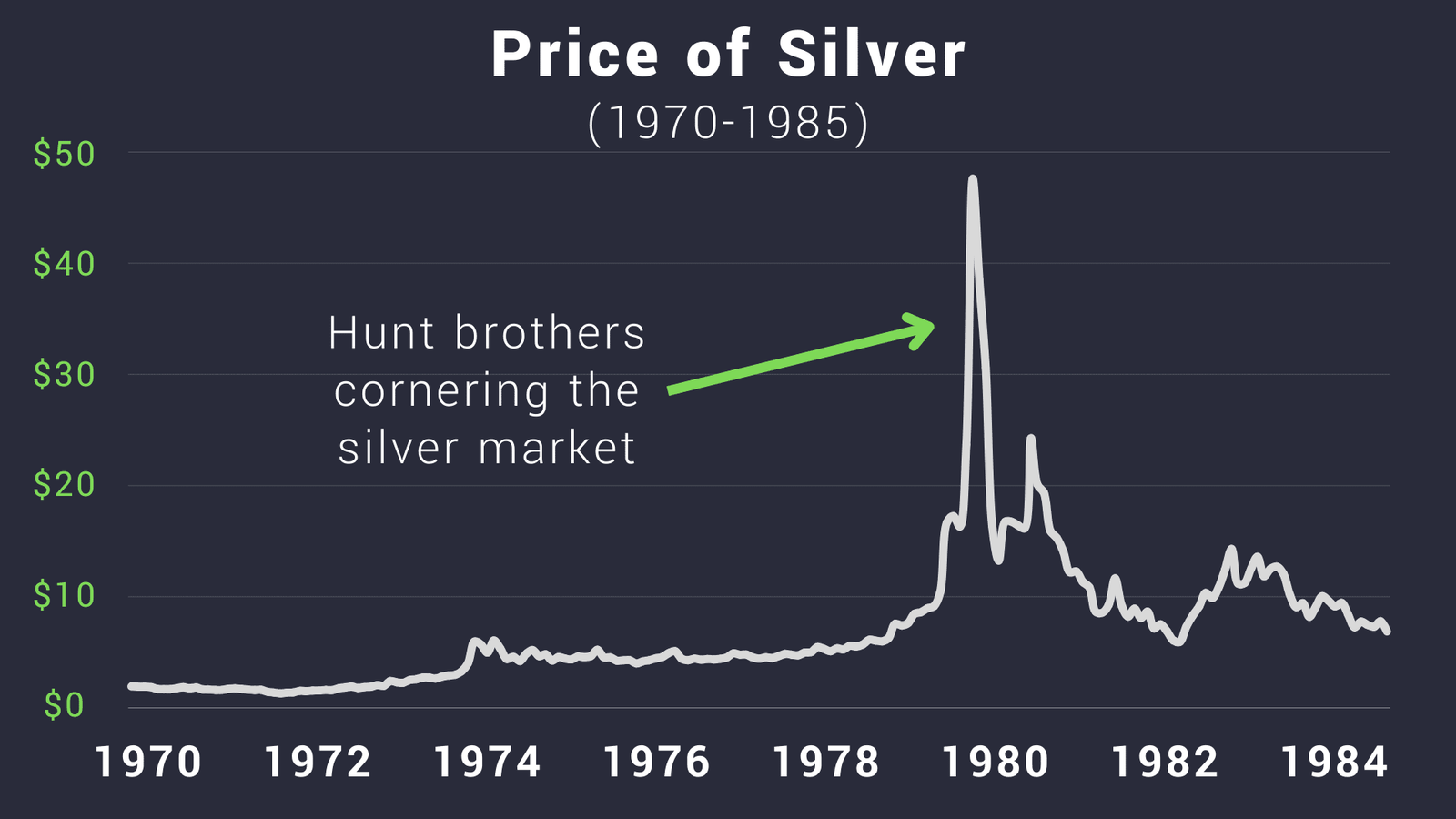
Inflation is another key macroeconomic factor. Silver is often seen as a hedge against inflation. When inflation rises, the purchasing power of fiat currencies declines. Investors turn to silver as a store of value, driving up its demand and price. For instance, during periods of high inflation in the 1970s, silver prices soared.
See also: Digital Communication Technology Explained
Geopolitical Events
Geopolitical events can create uncertainty in the global markets, which often leads to fluctuations in silver prices. Political unrest, wars, and trade disputes can disrupt the supply chain of silver. For example, if there is a political crisis in a major silver – producing country, it may disrupt mining operations and reduce the supply of silver. At the same time, investors may seek the safety of precious metals like silver during times of geopolitical turmoil, increasing the demand and pushing up the price.
Trade policies also play a role. Tariffs and trade restrictions can affect the cost of importing and exporting silver, which in turn can influence its price in different markets.
Market Speculation
Speculation in the financial markets can have a significant impact on silver prices. Traders and investors use various financial instruments, such as futures contracts and exchange – traded funds (ETFs), to bet on the future price movements of silver. If a large number of speculators believe that the price of silver will rise, they will buy silver – related financial products. This increased buying pressure can drive up the price of silver in the short term, even if the underlying supply and demand fundamentals do not fully support the price increase.
Conversely, if speculators anticipate a price decline, they may sell their silver positions, leading to a drop in the price. Market sentiment, influenced by news, rumors, and technical analysis, can drive speculative trading and cause significant short – term volatility in silver prices.