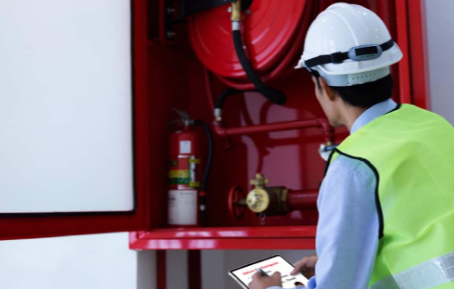
Fire safety is a critical component of workplace, residential, and public safety. Effective fire management involves understanding potential hazards, implementing preventive measures, and ensuring that all personnel are trained to respond appropriately in emergencies. One of the most effective strategies for managing fire safety is through risk assessment, which identifies potential fire hazards, evaluates risks, and implements strategies to mitigate them.
What is Fire Risk Assessment?
Fire risk assessment is a systematic process used to identify fire hazards, evaluate the likelihood and severity of potential incidents, and implement measures to minimize risk. It is a proactive approach designed to prevent fires before they occur and to ensure that emergency responses are effective if a fire does break out. Risk assessments are essential for compliance with safety regulations and for protecting lives, property, and the environment.
Steps in Fire Safety Risk Assessment
1. Identifying Fire Hazards
The first step in risk assessment is recognizing potential sources of fire. Common fire hazards include:
- Flammable materials such as paper, chemicals, or fuels
- Electrical faults from faulty wiring or overloaded circuits
- Heat-producing equipment like ovens, heaters, or machinery
- Human factors, such as smoking in prohibited areas or improper handling of flammable materials
Identifying these hazards requires careful inspection of the premises and consultation with staff or residents to understand daily operations and potential risks.
Read Also: Digital Communication Technology Explained
2. Evaluating Risks
After hazards are identified, the next step is to evaluate the risk associated with each hazard. This involves assessing:
- Likelihood: How probable is it that the hazard will result in a fire?
- Impact: What would be the consequences if a fire occurred?
- Exposure: Who or what is at risk, including employees, residents, visitors, and property
This evaluation helps prioritize hazards based on severity and likelihood, allowing organizations to focus on the most critical risks first.
3. Implementing Control Measures
Once risks are evaluated, effective measures must be implemented to mitigate them. Common control measures include:
- Installing fire detection and alarm systems
- Ensuring accessible and well-maintained fire extinguishers
- Implementing proper storage protocols for flammable materials
- Regular inspection and maintenance of electrical systems
- Providing staff training and fire drills
The goal is to minimize the likelihood of fire occurrence and ensure quick, effective responses if a fire does occur.
4. Reviewing and Updating Risk Assessments
Fire risk assessment is not a one-time activity. Continuous monitoring, reviewing, and updating of risk assessments are essential. Changes in the workplace, new equipment, or updated safety regulations can alter fire risks. Regular reviews ensure that safety measures remain effective and that employees are prepared for any emergency.
Benefits of Managing Fire Safety Through Risk Assessment
- Prevention of Fire Incidents: By identifying and controlling hazards, organizations can reduce the likelihood of fires.
- Compliance with Regulations: Fire risk assessment ensures adherence to local and national safety laws.
- Protection of Lives and Property: Effective fire safety reduces injuries, fatalities, and damage to assets.
- Improved Preparedness: Staff trained in fire safety protocols can respond efficiently during emergencies.
- Cost Savings: Preventing fires reduces potential financial losses due to property damage, business interruption, or legal penalties.
Challenges in Fire Risk Assessment
While fire risk assessment is highly effective, it comes with challenges:
- Underestimating Human Error: Human negligence or lack of awareness can increase fire risk.
- Complex Work Environments: Large buildings or industrial sites may have multiple fire hazards that are difficult to monitor.
- Keeping Up with Changes: Equipment upgrades, changes in building layout, or new materials can introduce new risks.
Overcoming these challenges requires consistent training, thorough inspections, and proactive updates to risk assessments.
Conclusion
Managing fire safety through risk assessment is an essential strategy for preventing fire hazards and protecting lives and property. By systematically identifying hazards, evaluating risks, implementing control measures, and continuously reviewing safety protocols, organizations and individuals can significantly reduce the likelihood and impact of fire incidents. A robust fire risk assessment not only ensures compliance with safety regulations but also promotes a culture of awareness and preparedness. Prioritizing fire safety is a responsibility that cannot be overlooked, and risk assessment provides a structured approach to meet this critical need.
FAQs: Managing Fire Safety Through Risk Assessment
Q1: How often should fire risk assessments be conducted?
Fire risk assessments should be conducted at least annually or whenever there are significant changes in the premises, operations, or regulations.
Q2: Who should perform a fire risk assessment?
A competent person with knowledge of fire safety procedures, hazards, and relevant regulations should perform the assessment. This can be an internal safety officer or a certified external fire safety consultant.
Q3: What are the common fire hazards in offices?
Common office fire hazards include electrical faults, overloaded power outlets, flammable paper or materials, and improper storage of chemicals or cleaning agents.
Q4: How can training help in fire risk management?
Training ensures that staff understand fire hazards, know how to respond during emergencies, and can safely use fire-fighting equipment, reducing the risk of injuries and property damage.
Q5: Is fire risk assessment legally required?
Yes, in many countries, fire risk assessments are a legal requirement for workplaces, public buildings, and certain residential properties to ensure the safety of occupants.